 Skip to content
Offline Label Inspection System: 7 Critical Checks Before You Choose One
An offline label inspection system is often requested after a factory has already lost time on complaints, missed defects, or unreliable manual checking.
Sometimes the buyer only says, "We need an offline label inspection system." But that request is still too broad. One factory wants to check missing print and dirty labels before shipment. Another wants barcode verification, defect records, and final-roll traceability. A third factory mainly needs a better rewinding and visual review process after slitting.
These are not the same quotation case.
For label converting, the model name alone is not enough. The useful starting point is the real label format, defect risk, inspection target, and machine condition. This is where many quotations go wrong.
Below are 7 practical checks before choosing an offline label inspection system.
1. What Job Should The Offline Label Inspection System Actually Do?
The first question is not the screen size or the machine frame. It is the job to be done.
An offline label inspection system may be used for:
- final roll inspection after printing or slitting
- automatic label defect detection
- barcode or code checking
- rewind and defect review
- defect image recording
- complaint reduction before shipment
- operator-assisted inspection for narrow-web labels
Some buyers only need clearer inspection during rewinding. Others need automatic defect judgment and record keeping. Those two directions should not be quoted as the same machine.
If the factory needs automatic detection of label defects across the full roll, the inspection target must be discussed very clearly at the beginning.
Related directions on the Bainary site:
2. Offline Label Inspection System Defects To Check First
"Label defect" is still too general.
Before choosing an offline label inspection system, it helps to list the real defects that affect shipment or customer complaints, such as:
- missing print
- color deviation
- dirty print
- streak
- registration error
- missing label
- matrix waste problem
- die-cut misalignment
- barcode or QR code problem
- foreign matter
- scratch
- repeat defect
If possible, send real defect photos with size reference. If the problem only appears during rewinding or at a certain roll position, mention that too.
For labels, barcode checking may also matter. If the customer follows a barcode grade requirement or a GS1 barcode standard, that should be stated before quotation. Otherwise, the buyer and supplier may be talking about different inspection targets.
3. What Label Material And Format Are You Running?
The material and label structure affect camera and lighting choice.
Useful information includes:
- paper label or film label
- transparent label or opaque label
- glossy or matte surface
- metallic or reflective label
- laminate or varnish
- release liner type
- label width
- repeat length
- gap between labels
A transparent film label, a reflective cosmetic label, and a matte pharmaceutical label are different inspection cases. The lighting angle that works for one may not work well for another.
If the label includes strong reflection, embossed area, or foil stamping, say that early. Those details can affect how stable the defect image will be.
4. What Are The Roll And Speed Conditions?
Even for an offline label inspection system, rewind condition still matters.
Please clarify:
- roll width
- maximum roll diameter
- normal rewind speed
- maximum inspection speed
- unwind and rewind direction
- whether tension stays stable during inspection
- whether the label web wanders sideways
- whether the roll edge is already uneven after slitting
An offline inspection machine may look simple from the outside, but image quality still depends on stable web travel. If the label web already has edge wandering, wrinkle, or unstable tension, the inspection result can become inconsistent.
This is why Bainary also pays attention to related web handling directions such as web guiding and tension control. If the web path is unstable first, the inspection camera cannot solve the whole problem by itself.
5. Do You Need Viewing, Automatic Detection, Or Both?
Many buyers mix these together in one request.
In practice, the factory should separate:
- simple viewing during rewinding
- automatic defect detection
- defect image recording
- alarm output
- barcode verification
- final roll release decision
If the operator only needs to view the label more clearly during rewind, the selection logic is different.
If the factory needs the machine to find defects automatically and keep records for traceability, the offline label inspection system must be judged more like a quality-control machine than a simple rewinder.
This is also why some projects should not stop at "label inspection machine" as a keyword. The target function changes the whole quotation direction.
6. What Output Does The Factory Expect After Inspection?
Before choosing an offline label inspection system, the buyer should state what the machine needs to produce after inspection.
Common expectations include:
- pass or reject judgment
- defect image review
- defect count
- defect position record
- rewind stop at defect position
- barcode result
- report export
- traceability support for customer complaint review
If the factory needs a defect map, image record, or shipment review evidence, mention that from the start. If the factory only needs basic operator confirmation before dispatch, that is a different scope.
The more clearly this output is defined, the more accurate the system recommendation will be.
7. What Should You Send Before Asking For Quotation?
Before asking for an offline label inspection system quotation, prepare these details if possible:
- label material
- label width
- repeat length
- roll diameter
- inspection speed
- defect type
- barcode or code-check requirement
- current machine photos
- unwind and rewind path
- whether tension or guiding instability already exists
- whether the goal is viewing, automatic detection, or both
- whether image records, alarms, or reports are required
- sample rolls, defect samples, or short running video
A short line video is often more useful than a long description.
If the defect only appears after slitting, rewinding, or lamination, mention that clearly. Inspection position and defect timing can change the machine recommendation.
Conclusion
An offline label inspection system should not be chosen only by model name or machine appearance.
The better starting point is the real label job: material, width, roll condition, defect target, barcode requirement, rewind stability, and expected inspection output.
If the buyer only says "We need an offline label inspection system," the quotation may stay too rough. But if the buyer sends label type, roll size, speed, defect sample, machine layout, and inspection target, the discussion becomes much more useful.
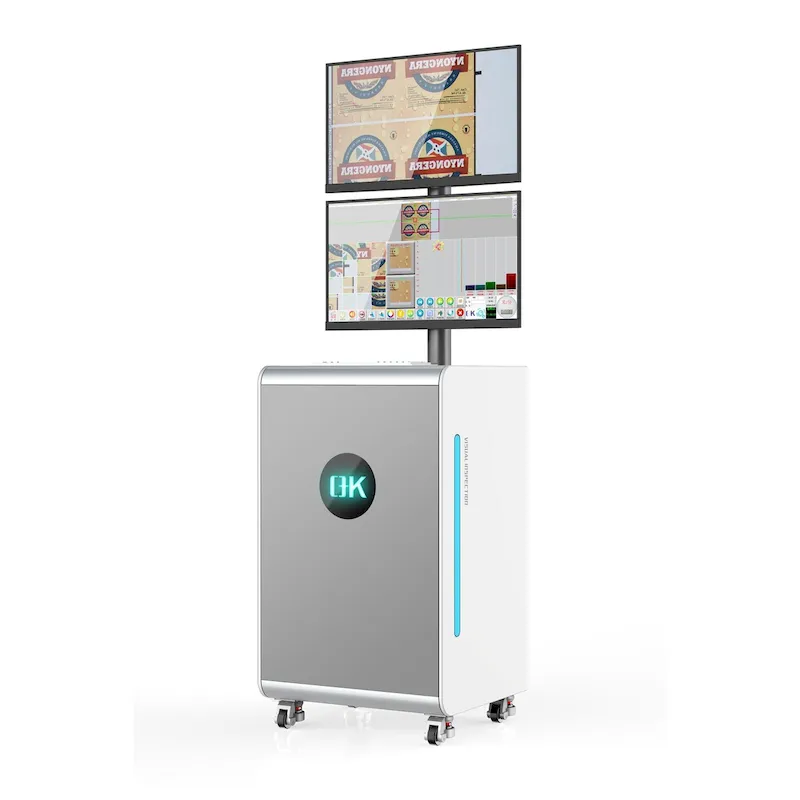
Send us your label material, width, repeat length, roll diameter, speed, defect sample, barcode requirement, and machine photos. Bainary can help check whether the OK4000 Offline Label Quality Inspection System, another inspection direction, or a related web-handling adjustment is more suitable for your line.
For related reading:
- What Information Should You Send Before Asking for a Print Inspection Quotation?
- Web Monitoring vs 100% Print Inspection: Avoid 6 Critical Selection Mistakes
If you are ready to discuss your project, visit: