 Skip to content
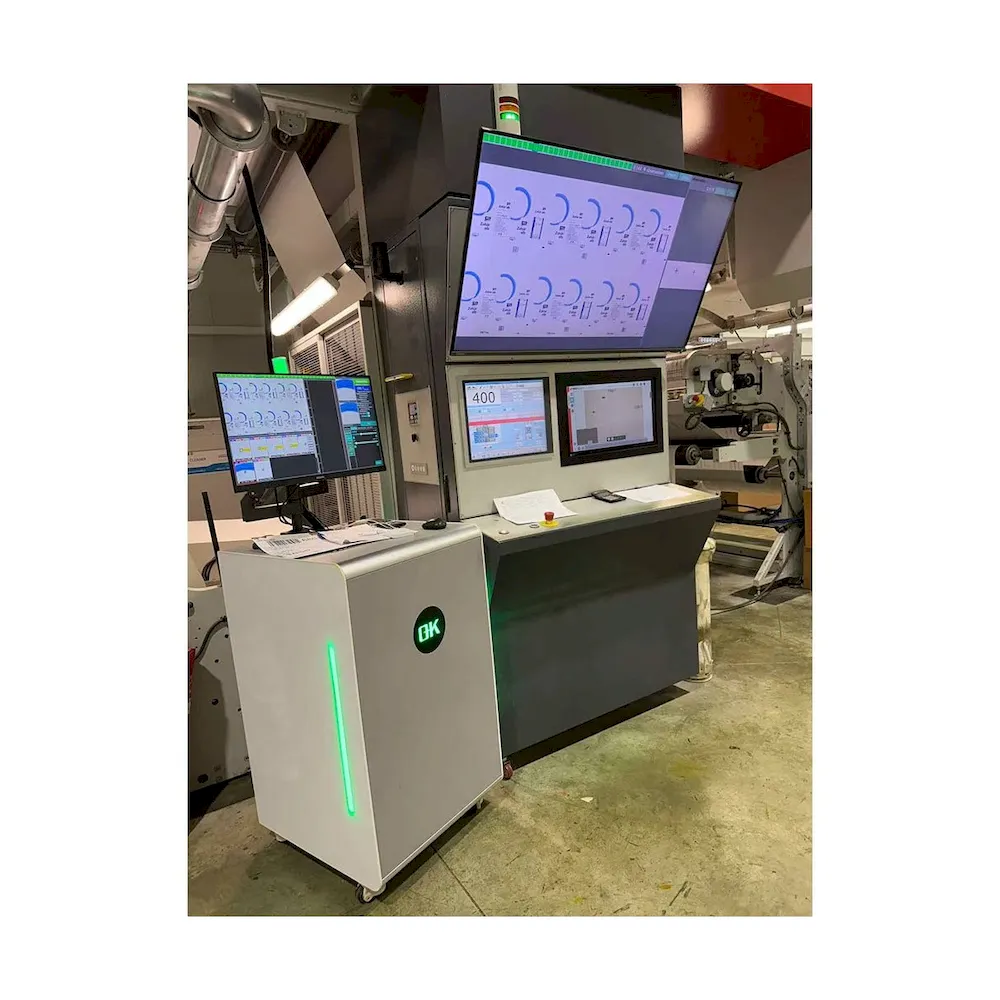
A print inspection quotation can go wrong very early.
Sometimes a buyer sends only one sentence: “We need a print inspection system for packaging film.” Sometimes they send a machine photo but no width, no speed, and no defect sample. In this situation, any price is only a rough guess. The model name alone is not enough.
For roll-to-roll production, a useful quotation depends on the material, web width, line speed, defect type, inspection position, and the quality target. A short line video is often more useful than a long written description.
Below is the information that should be prepared before asking for a print inspection or web inspection quotation. In most real projects, a better print inspection quotation starts with clearer production details.
1. What Material Are You Running?
The first detail is the web material.
Common materials include:
- flexible packaging film
- laminated film
- paper
- label stock
- aluminum foil
- nonwoven material
- coated substrate
Different materials can reflect light in different ways. A transparent film, a glossy laminated web, and a printed paper web may not use the same camera and lighting arrangement. Some defects are easy to see with the eye but difficult to capture under the wrong lighting angle.
For example, a scratch on glossy film, a color mark on paper, and a coating streak on a substrate are not the same inspection problem. The inspection direction should be discussed from the material first.
2. Web Width And Line Speed
Web width and line speed affect the whole inspection design.
The supplier needs to know:
- maximum web width
- normal production speed
- maximum machine speed
- repeat length, if it is printed material
- smallest defect size to be detected, if known
- whether the web runs steadily or moves from side to side
- whether edge wandering, wrinkle, or unstable tension already appears on the line
A wider web may need a different camera configuration. A higher line speed needs enough image processing capacity and stable lighting. If the line speed is high but the defect is very small, the quotation cannot be made only from the product name.
A 600 mm label line at 80 m/min and a 1,300 mm flexible-packaging line at 300 m/min are not the same quotation case. The supplier needs enough detail to judge camera quantity, lighting arrangement, and processing load.
This is where many quotations go wrong. The buyer asks for a lower-cost system, but the real production speed or required defect size needs a stronger configuration.
If the line already has edge wandering, wrinkle, or unstable tension, mention that early. Inspection image quality often depends on web stability first.
3. What Defects Do You Want To Find?
“Print defect” is too general.
It is better to send examples, such as:
- missing print
- color deviation
- registration issue
- stain or ink spot
- streak
- scratch
- foreign matter
- barcode or label defect
- coating skip
- repeat defect
If possible, send defect photos with a scale reference. If the defect appears only during running, send a short video from the production line. If the defect repeats once per cylinder or only appears after lamination or slitting, say that as well. Those details often change the recommended inspection direction.
If barcode readability is part of the issue, it also helps to mention whether the customer follows a GS1 standard requirement or another internal barcode rule.
There is also an important difference between web monitoring and 100% print inspection.
A web monitoring system helps the operator see the moving web more clearly. A 100% print inspection system is used for automatic defect detection, defect recording, alarms, and sometimes reports or roll maps. The two directions are not the same. The required defect sample helps decide which direction is suitable.
4. Where Will The System Be Installed?
The machine section matters.
A print inspection or web inspection system may be installed on:
- printing press
- coating line
- laminator
- slitter rewinder
- inspection rewinder
- bag-making machine
- offline label inspection machine
Each position has different space, vibration, web path, and lighting conditions. A system that works well on an offline inspection rewinder may not be the same as a system installed directly on a high-speed printing press.
Please send photos or a short video of the machine section. The useful view is not only the front of the machine. It is better to show the web path, roller position, available installation space, where the operator stands, and where a camera or strobe light could realistically be mounted.
5. What Is Your Quality-Control Target?
Before quotation, it is useful to clarify what you want the system to do.
For example:
- only help the operator watch the web
- detect visible printing defects automatically
- record defect position
- make a defect map
- give alarm during production
- export defect images or reports for traceability
- check labels or barcodes
- support final roll inspection
- reduce customer complaints
These targets lead to different configurations. If the buyer only needs operator monitoring, a web monitoring system may be enough. If the factory needs automatic defect records and traceability, a 100% inspection direction should be discussed.
The target should be practical. Not every defect on every material can be solved by the same inspection model.
6. Is This A New Line Or A Retrofit?
A new line and an old machine retrofit are different projects.
For a new line, installation space and electrical communication can be planned earlier. For a retrofit, the existing machine layout is already fixed. The inspection system may need to fit into limited space, and installation may need to avoid changing the main machine too much.
Please also mention the project stage:
- early budget check
- quotation comparison
- confirmed purchase plan
- customer complaint case
- urgent quality problem
- new machine project
- retrofit project
This helps the supplier decide how much detail is needed in the first quotation.
7. A Practical Checklist Before Quotation
Before asking for a print inspection quotation, prepare these details if possible. A better print inspection quotation usually starts from complete line information, not from a model name only.
- material type
- web width
- line speed
- repeat length, if known
- printing or converting process
- machine section for installation
- defect type
- defect photos or videos
- smallest visible defect size or acceptable limit
- current machine photos
- available installation space
- whether web drift, wrinkle, or unstable tension already exists
- required output: monitor, alarm, record, report, defect map, or final roll check
- project stage and expected delivery time
You do not need to prepare everything perfectly before the first contact. But if you can send the main parameters and a short video, the first discussion will be much more useful.
Conclusion
A print inspection quotation should not start only from a model name. A practical print inspection quotation should reflect the real material, defect risk, and installation condition.
For roll-to-roll production, the better starting point is the real application: material, width, speed, defect, machine section, and inspection target. These details help avoid choosing a system that looks suitable on paper but does not match the production line.
Send us your material type, web width, line speed, repeat length if relevant, smallest visible defect size, defect sample, machine layout, inspection target, and whether the web already drifts or runs unstably. A short line video is also useful. Bainary can help check whether web monitoring, 100% print inspection, offline label inspection, or another quality-control direction is more suitable for your line. That makes the print inspection quotation discussion faster, clearer, and more practical.