...

Product Categories

Need Help?

We are glad to hear you!

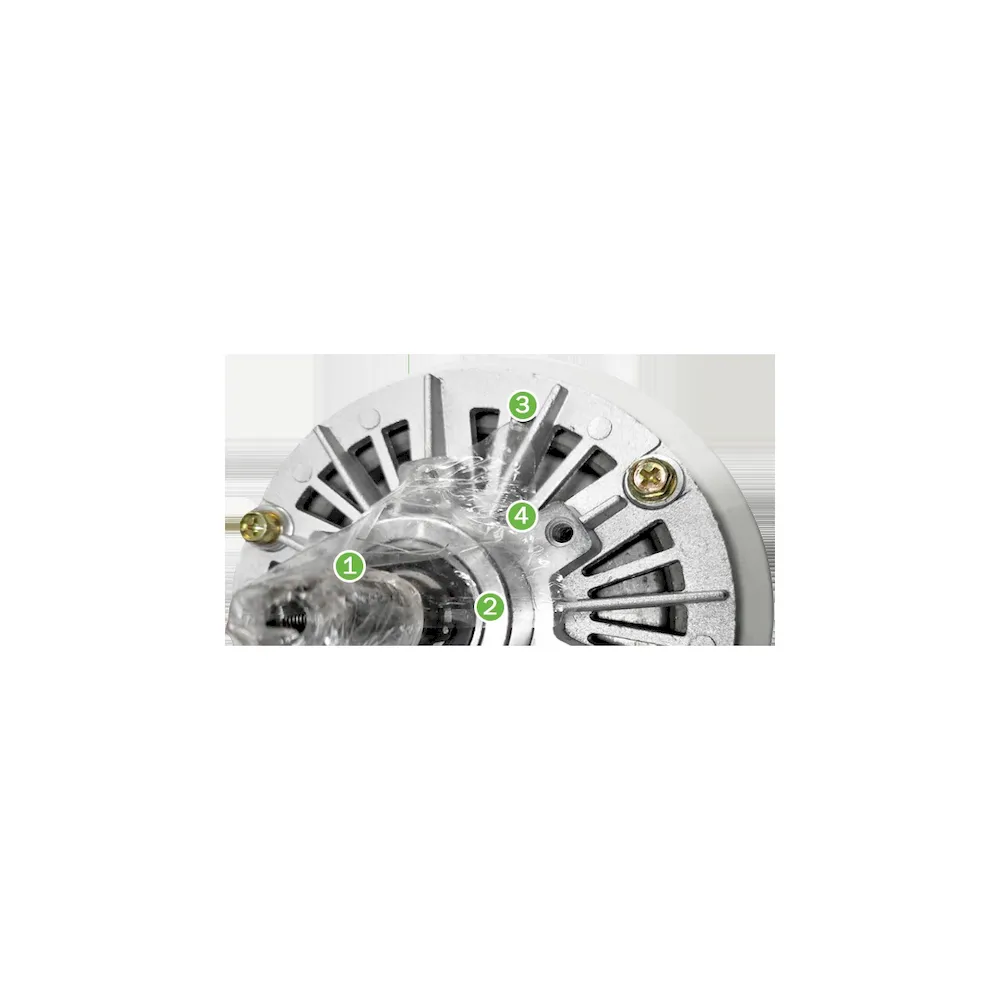
Magnetic Powder Brake

A magnetic powder brake is a controllable braking component used in unwind, rewind and tension-control sections of roll-to-roll production lines. By adjusting excitation current, it provides smooth and stable braking torque to help maintain web tension during printing, coating, laminating, slitting and converting processes.

Key Selling Points

  • Smooth adjustable braking torque through excitation-current control.
  • Fast response and stable torque output for continuous roll-material production.
  • Simple structure with low noise, low vibration and easy maintenance.
  • Suitable for unwind and rewind tension control in printing, packaging, film, rubber, textile, wire and cable, coating and laminating lines.
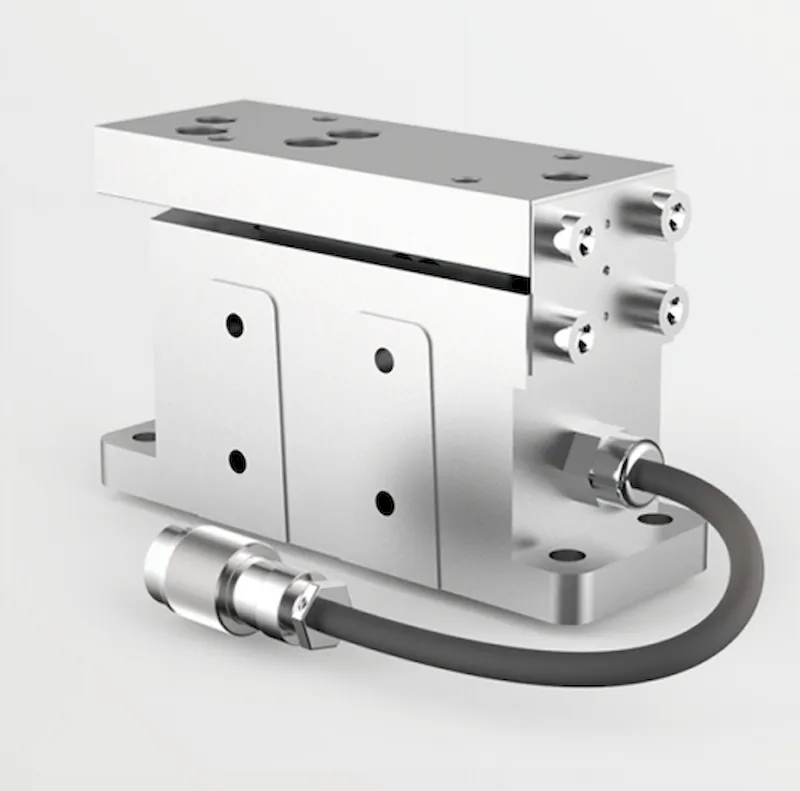
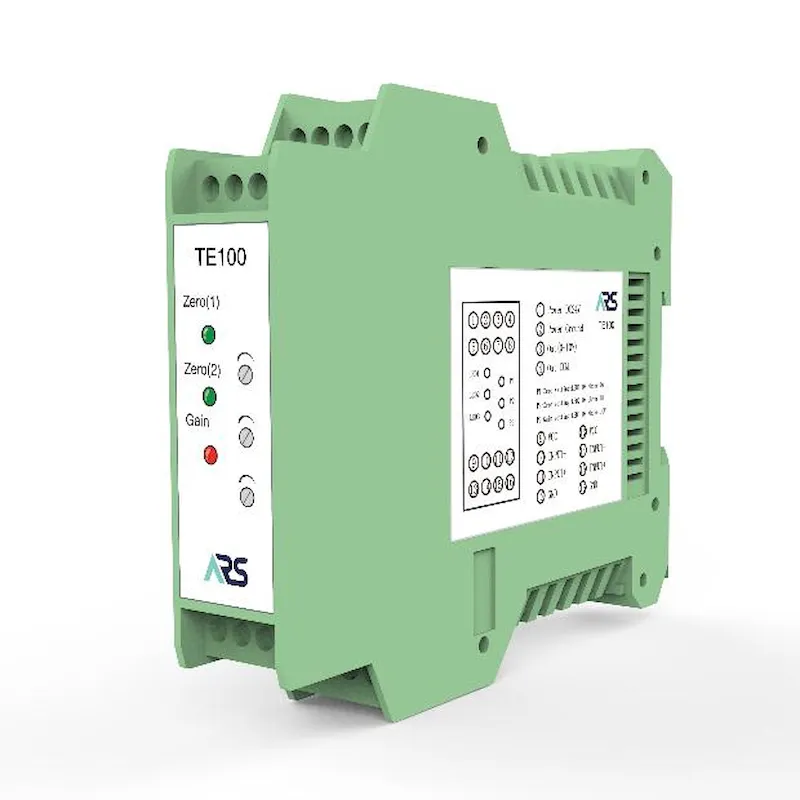
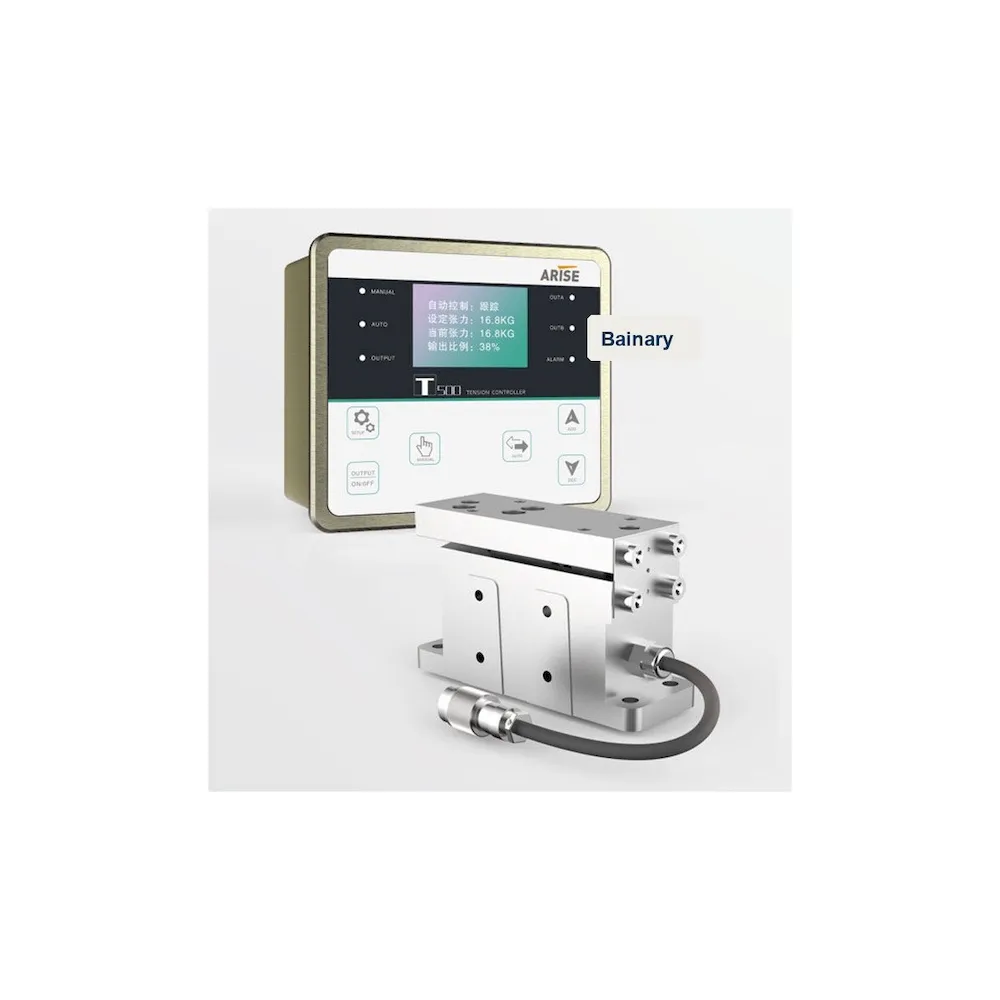
  • Can work with tension controllers and tension sensors to form a closed-loop tension-control system.

Working Principle

When current is applied to the excitation coil, magnetic powder inside the brake forms particle chains under the magnetic field. These chains transmit torque between the rotating and fixed sides. Changing the excitation current changes the transmitted torque, allowing the machine to control braking force smoothly.

Selection Notes

Item Information
Component type Magnetic powder brake for unwind / rewind tension control
Control method Braking torque adjusted by excitation current
Main advantages Smooth torque, fast response, simple structure, low noise and low vibration
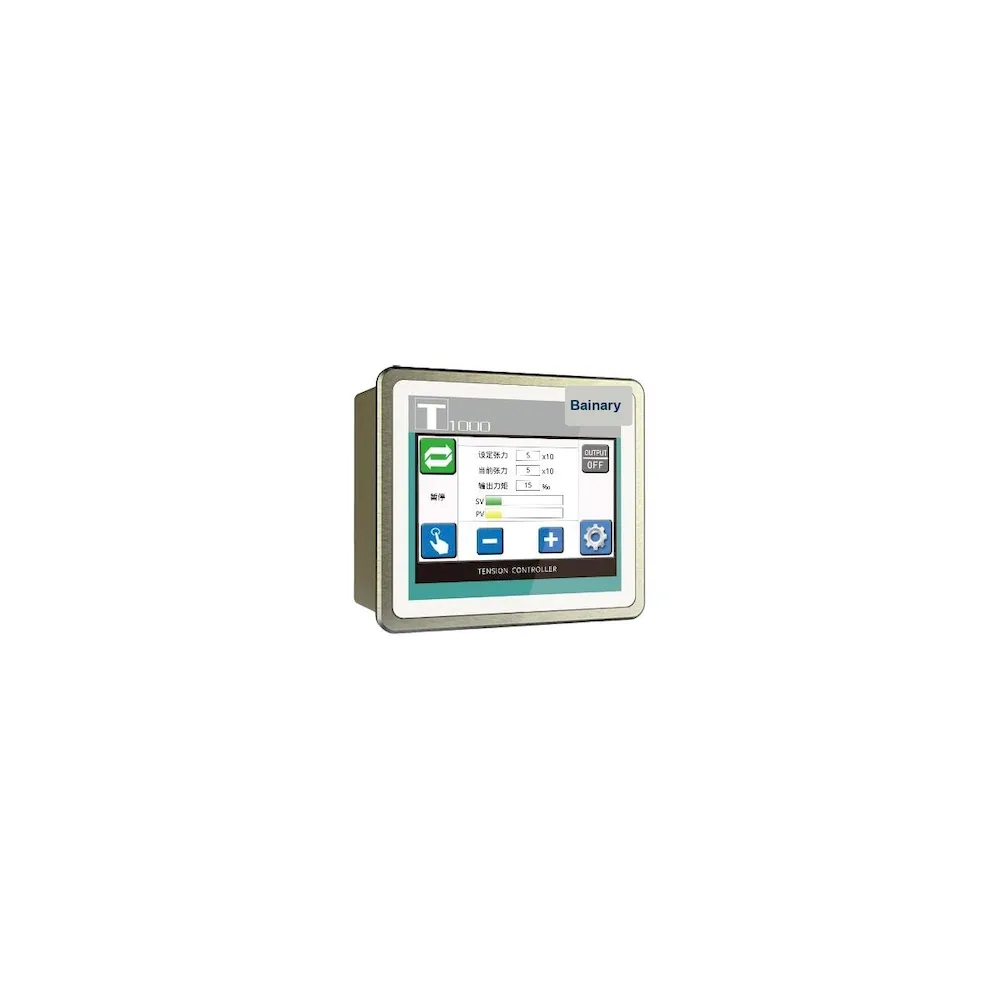
System pairing Can be used with T500, T1000 or compatible tension controllers and tension sensors
Selection basis Required torque, shaft size, mounting structure, heat dissipation, web width and tension range

Typical Applications

  • Unwinding and rewinding tension control
  • Printing, coating, laminating, slitting and converting lines
  • Plastic film, paper, rubber, textile, wire and cable production
  • Retrofit or replacement projects requiring smooth adjustable braking torque

Tell Us About Your Application

Every production line is different. To recommend a suitable system, we need to understand your material, web width, line speed, machine layout, quality-control target and required functions.

Send us your project details, machine photos or sample defects. Our team will review your application and help you choose a practical solution for print inspection, web guiding, tension control or in-line measurement.

Request a Quote

Order Process

1️⃣ Share Your Application
Tell us your material type, web width, line speed, machine layout and quality-control requirements.

2️⃣ Review the Solution
We review the application and recommend a suitable direction for print inspection, web guiding, tension control or in-line measurement.

3️⃣ Confirm Configuration
We confirm the model, functions, installation conditions, technical details and quotation before the project moves forward.

4️⃣ Delivery & Follow-Up
We coordinate delivery, technical communication and after-sales follow-up for your project.

Clear. Practical. Reliable.
Frequently Asked Questions

Bainary is an independent technology and international trade company. We support overseas customers through application review, model selection, export coordination, and long-term project follow-up, backed by selected Chinese manufacturing resources.
Please send material type, web width, line speed, machine type, installation position, defect type, sample photos or videos, required inspection target and available space. If the project is about web guiding or tension control, photos of the current machine section are also useful.
No. Transparent film, printed labels, paper, foil and nonwoven materials may need different cameras, lighting, sensors or installation positions. A short technical check before quotation reduces the chance of selecting the wrong system.
A web inspection system helps operators observe high-speed printed images more clearly. A 100% print inspection system automatically checks the full web and records defects with software. The right choice depends on defect type, speed, width and required quality control level.
If the web moves sideways, wrinkles or tension changes heavily, the camera may not see the same print area consistently. Stable guiding and tension often make inspection more reliable.
Yes. For uncertain cases, Bainary can collect samples, videos and defect descriptions first, then coordinate feasibility evaluation before formal quotation.
Flexible packaging, labels, paper converting, film and foil converting, nonwoven production, coating, lamination, slitting, rewinding, printing and bag-making lines are typical applications.
Bainary first checks the application information. If the requirement is clear, we recommend a product direction and quotation path. If not, we ask for missing line parameters, sample images or videos before pushing the project forward.

Request a quote