 Skip to content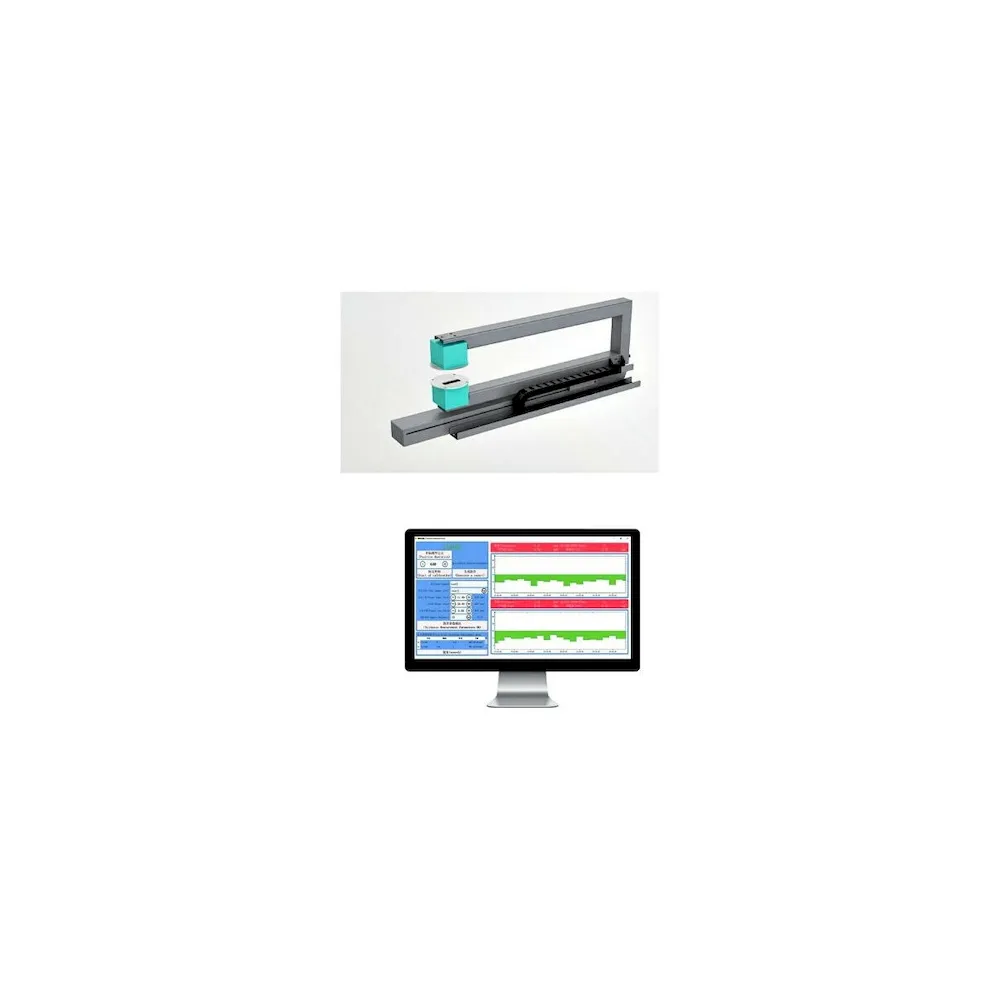
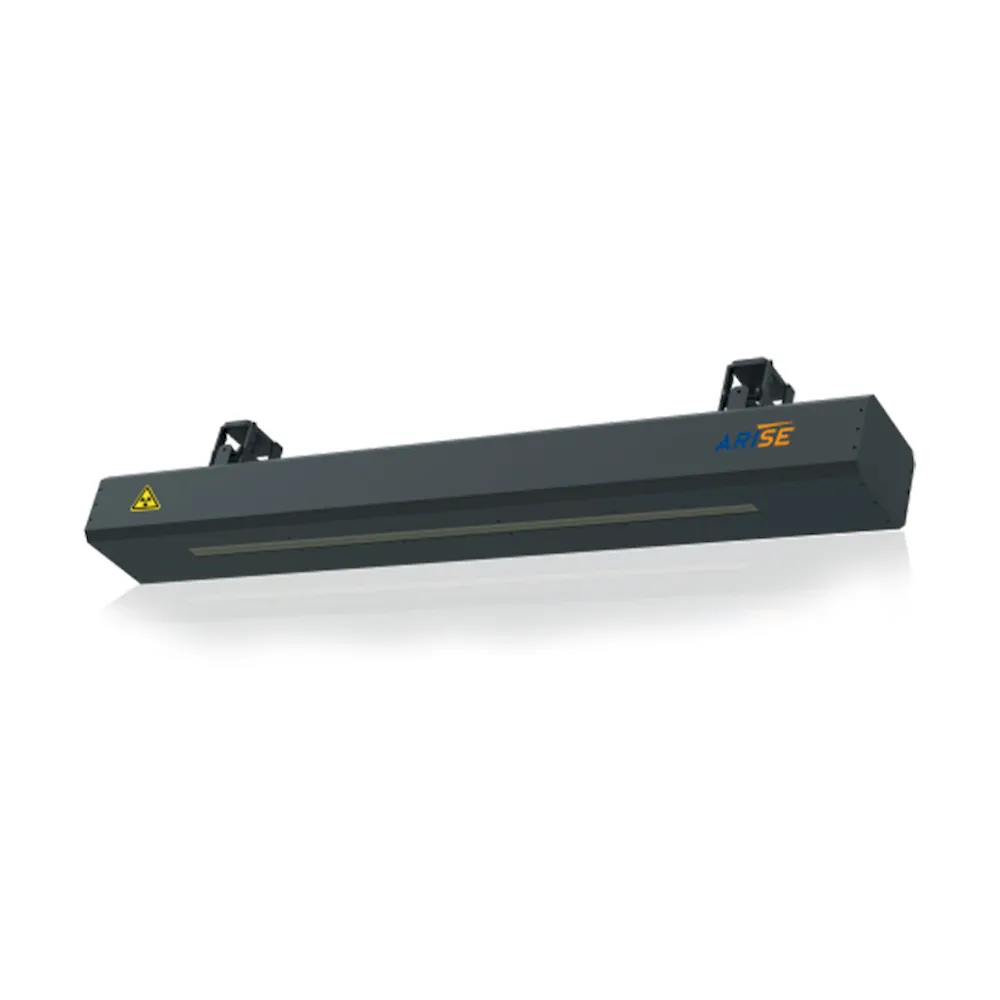
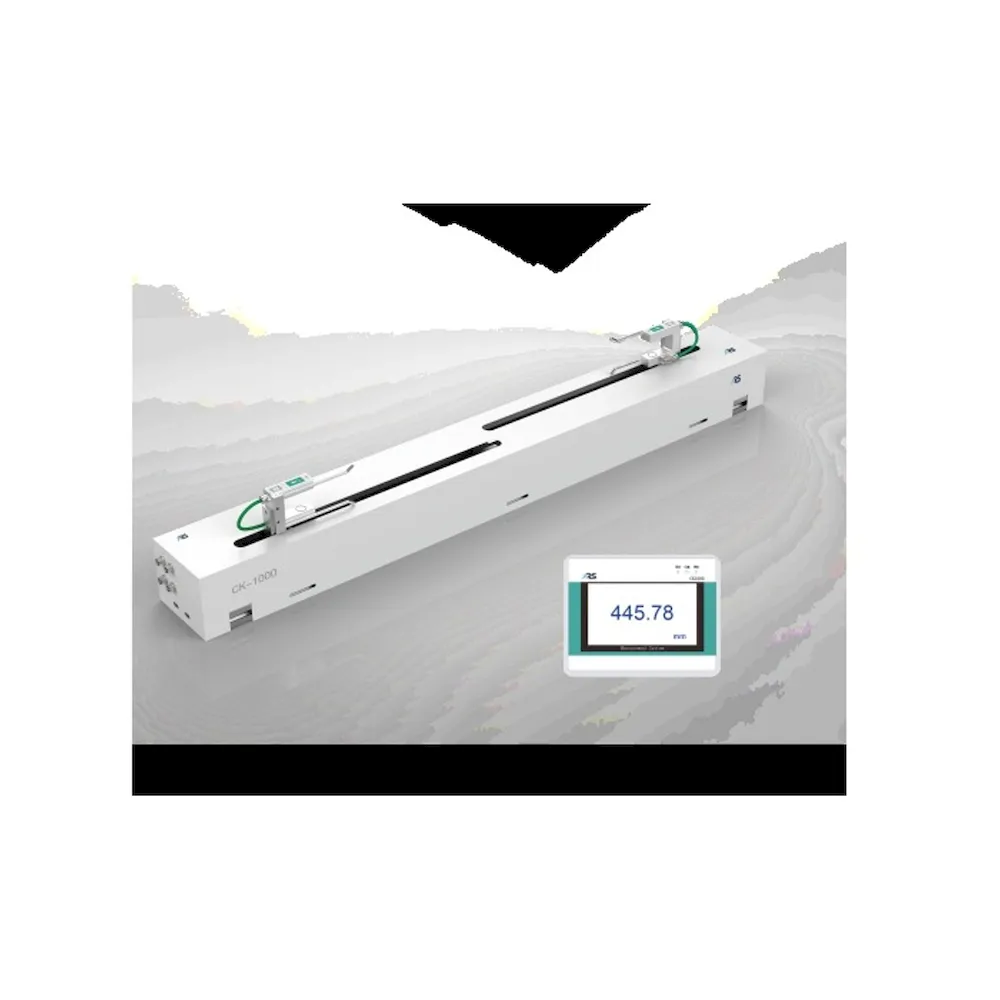
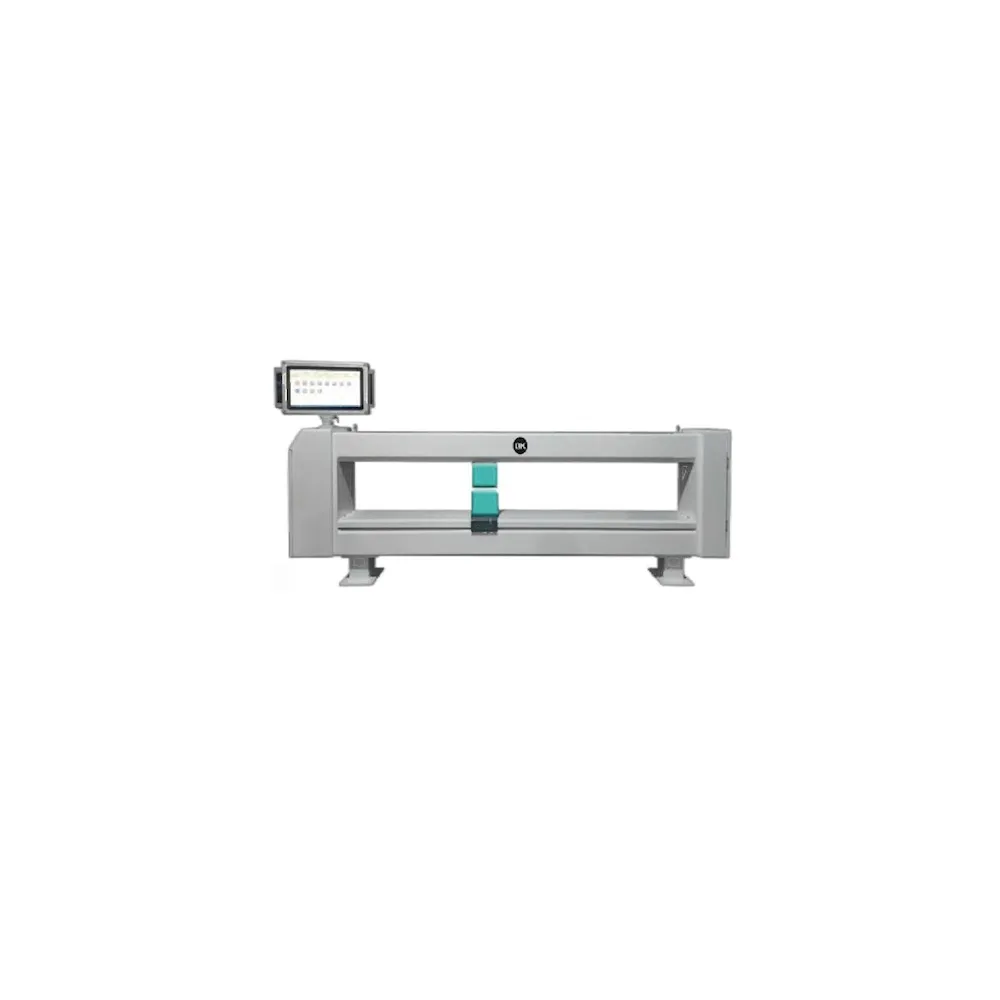
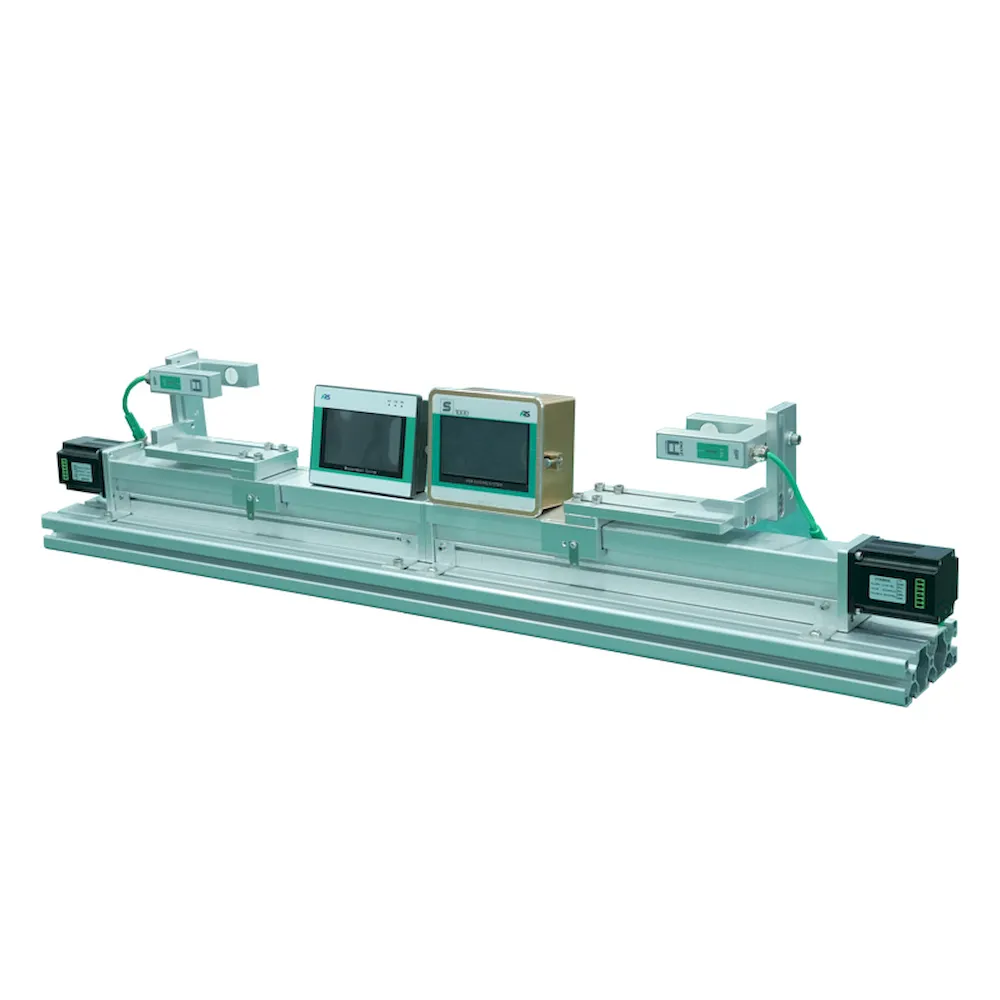
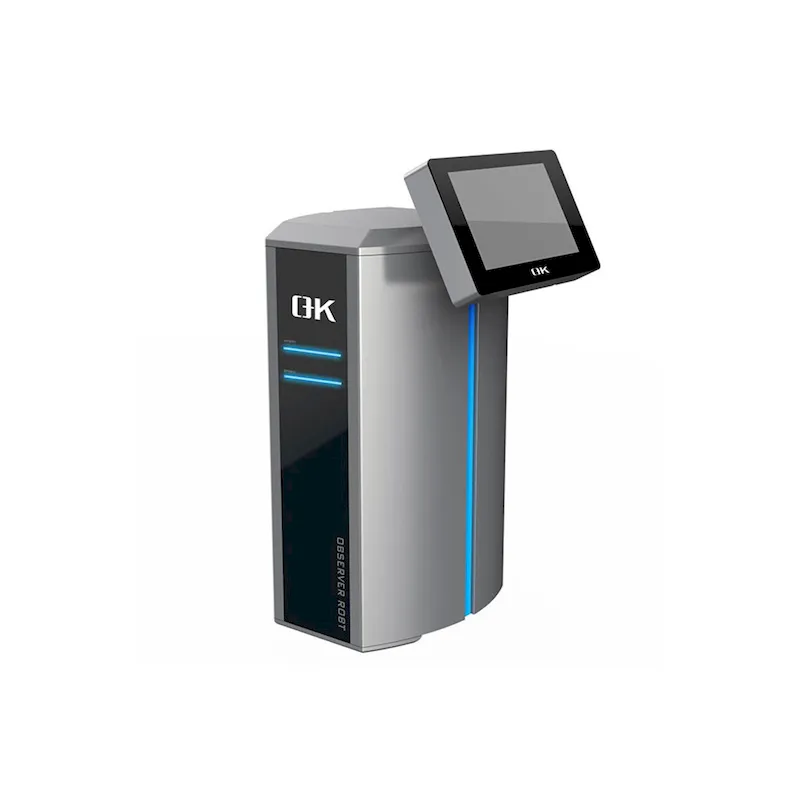
XCH4000 and LCH6000 are supplementary thickness-measurement models for roll-material and sheet-material production lines. XCH4000 belongs to the X-ray thickness-measurement direction, while LCH6000 belongs to the laser thickness-measurement direction.
This should be a measurement-family support page unless confirmed separate model pages are required later. The public copy should explain the difference between X-ray and laser measurement, and guide customers to confirm material type, thickness range, accuracy target and line layout before model selection.
| Model | Measurement Direction | Website Positioning |
| XCH4000 | X-ray thickness measurement | Use for X-ray based online thickness measurement projects where source confirmation is required for exact configuration. |
| LCH6000 | Laser thickness measurement | Use for laser thickness monitoring with data display, data storage, historical query and production data management functions. |
| Item | Information |
| XCH4000 measurement method | X-ray thickness measurement |
| LCH6000 measurement method | Laser thickness measurement |
| LCH6000 data functions | Specification management, permission management, real-time data display, data storage, real-time upload, Excel batch import/export, historical query by time and product specification |
| LCH6000 measurement role | Real-time dynamic thickness-curve display and tolerance monitoring for production quality control |
| Detailed model selection | Confirm final model recommendation according to material, thickness range, accuracy target and installation layout |
Every production line is different. To recommend a suitable system, we need to understand your material, web width, line speed, machine layout, quality-control target and required functions.
Send us your project details, machine photos or sample defects. Our team will review your application and help you choose a practical solution for print inspection, web guiding, tension control or in-line measurement.
1️⃣ Share Your Application
Tell us your material type, web width, line speed, machine layout and quality-control requirements.
2️⃣ Review the Solution
We review the application and recommend a suitable direction for print inspection, web guiding, tension control or in-line measurement.
3️⃣ Confirm Configuration
We confirm the model, functions, installation conditions, technical details and quotation before the project moves forward.
4️⃣ Delivery & Follow-Up
We coordinate delivery, technical communication and after-sales follow-up for your project.
Clear. Practical. Reliable.